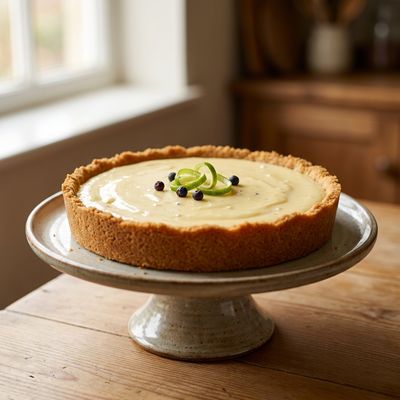
How to Make Sloe Gin for Baking and Pastry
While most sloe gin recipes focus on a sweet liqueur for sipping, baking requires a punchier, less sugary infusion. This guide explores how to steep sloes to maximize flavor for sponges, glazes, and fruitcakes while repurposing the spent fruit.
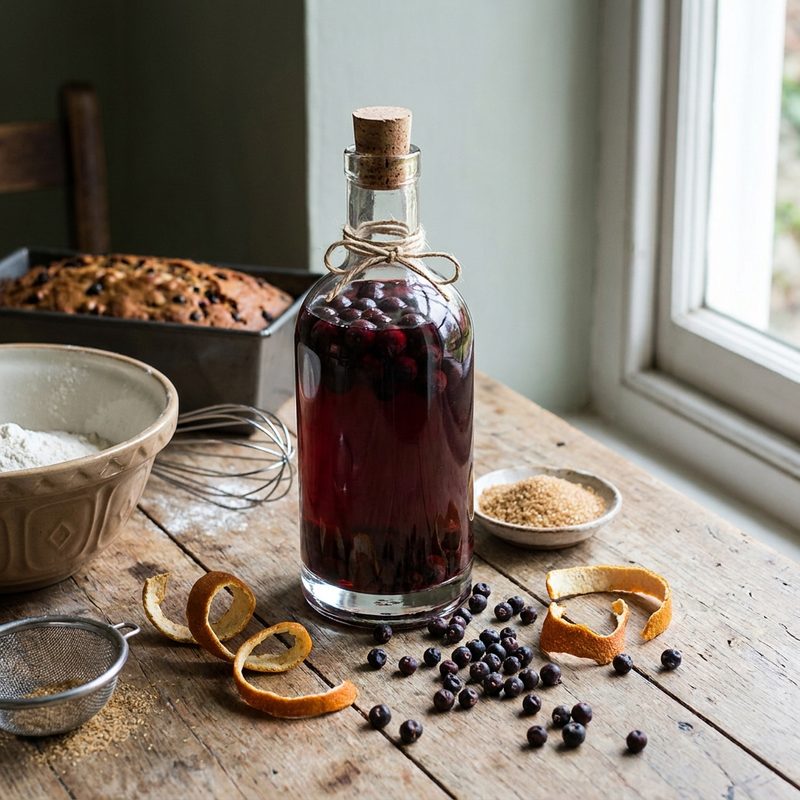
Selecting Your Ingredients
To create a sloe gin that stands up to the heat of the oven, start with a high-quality London Dry gin. Avoid pre-sweetened or flavored gins. For the fruit, forage for ripe sloes after the first frost, or mimic this by freezing them for 24 hours. This breaks the cell walls, allowing the juice to flow freely without the tedious task of pricking every berry with a silver needle.
The Baker's Ratio: Low Sugar, High Flavor
Typical drinking recipes call for a 1:1 ratio of fruit to sugar, but for baking, this results in a cloying syrup that can ruin the delicate chemistry of a sponge. Instead, use approximately 500g of sloes for every 700ml of gin, and only 50g to 75g of caster sugar. This lower sugar content ensures that when you add the gin to a batter or a glaze, you are adding acidity and depth rather than just sweetness.
The Long Steep
Patience is a baker's best friend. While a drinking gin might be ready in three months, a kitchen-grade sloe gin benefits from a six-to-twelve month steep. This extended time allows the tannins from the sloe skins and the almond-like notes from the stones to fully integrate into the spirit. Store your jars in a cool, dark place and shake them once a week for the first month, then once a month thereafter.
Straining and Clarification
When the infusion is deep ruby-red and smells of almond and dark berries, it is time to drain. Pass the liquid through a fine-mesh sieve lined with muslin or a coffee filter. This ensures your cakes aren't marred by sediment. Decant the liquid into sterilized bottles; this is your concentrated baking essence.
Processing the Drained Fruit
Never discard the 'boozy berries.' Once drained, the sloes are gold for the kitchen. De-stone the fruit and use the pulp for a 'drunken' jam, or fold the whole berries into a rich chocolate torte or a traditional fruitcake. The alcohol-soaked skins add a sophisticated chew and a burst of acidity that cuts through rich fats.