How to Choose the Best Gin Style for Every Type of Cake
Not all gins are created equal when exposed to the heat of the oven or the sweetness of a glaze. This guide explores the chemical and culinary differences between gin styles to help you elevate your baking from simple to sophisticated.
Step 1: Assessing the Juniper Intensity of London Dry
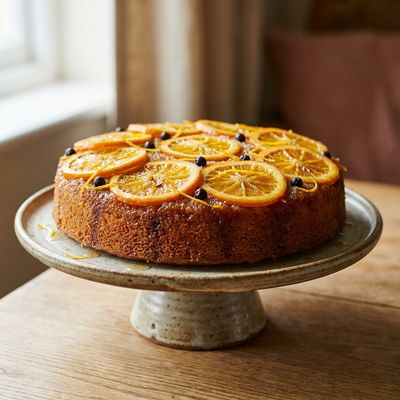
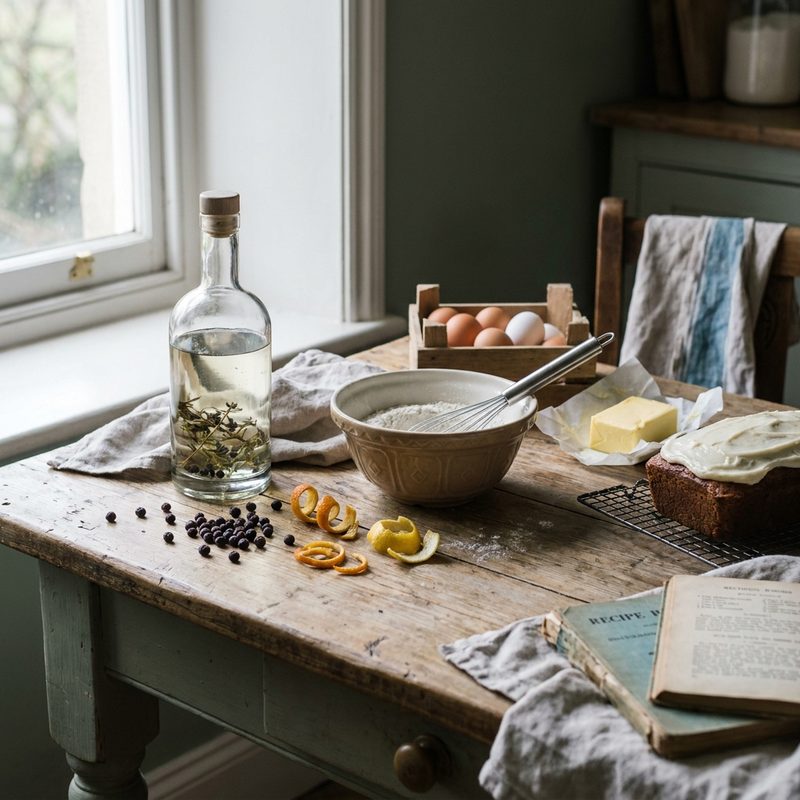
London Dry gin is defined by its strong juniper-forward profile. When baking, these piney, resinous notes are incredibly resilient. Because juniper carries a slight bitterness and a robust evergreen aroma, it acts much like a spice. Use a London Dry style when you are making heavy sponges, such as a traditional pound cake or a citrus-laden drizzle cake. The juniper cuts through high fat content (butter) and balances the sharp acidity of lemon or grapefruit zest.
Step 2: Leveraging Contemporary Floral Gins
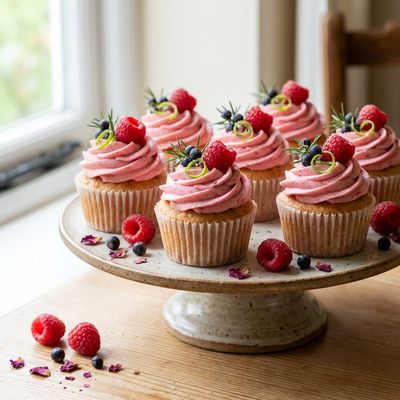
Contemporary or 'New Western' style gins often dial back the juniper to let other botanicals shine, such as rose, lavender, cucumber, or elderflower. These gins are more delicate and volatile. If you bake these into a sponge at high temperatures, you may lose the nuances of the botanicals. Instead, save Contemporary gins for cold applications like soaking syrups, frostings, or fruit macerations. They pair exceptionally well with summer berries, stone fruits, and light sponge cakes where the floral notes won't be overshadowed.
Step 3: Matching Spice-Forward Gins with Warm Flavors
Some gins are distilled with an emphasis on 'warm' botanicals like cardamom, coriander seed, grains of paradise, or cassia bark. These styles are the best choice for autumn-themed bakes. When making ginger cakes, carrot cakes, or anything involving dark chocolate, a spice-forward gin enhances the existing spice profile. The alcohol acts as a solvent, drawing out more flavor from the dried spices in your batter than water or milk alone would.
Step 4: Deciding Between Batter and Glaze
To maximize the impact of your chosen gin, consider the timing. Alcohol begins to evaporate at 173°F (78°C). If you add gin to the batter, you will lose the 'bite' of the alcohol but retain the botanical essence. For a truly 'boozy' gin flavor where the specific style is front and center, use the gin in a post-bake soak. Prick the warm cake with a skewer and pour over a gin-infused simple syrup. This preserves the aromatic top notes of the gin that would otherwise be lost in the oven.