Gin Syrups, Drizzles, and Soaks: How to Infuse Cakes After Baking
While many gin flavors dissipate in the high heat of the oven, applying gin after baking ensures those delicate botanicals shine. This guide breaks down the three essential post-bake techniques—syrups, drizzles, and soaks—to help you choose the right method for every cake.
The Logic of Post-Bake Infusion
Gin is a complex spirit defined by volatile aromatics like juniper, citrus peel, and coriander. When gin is baked into a batter, the high temperatures often cause these delicate flavors to evaporate. To capture the true essence of the spirit, culinary experts apply gin once the cake has left the oven. This preserves the 'top notes' of the gin and allows for a more controlled moisture level in the crumb.
Technique 1: The Simple Gin Syrup
A gin syrup is a 1:1 ratio of sugar and water (or citrus juice) simmered until clear, with gin added only after the heat is turned off. This technique is designed to add deep moisture and a subtle botanical hum without the harsh bite of raw alcohol. To apply, use a pastry brush to wash the warm syrup over the surface of a sponge cake or brush it between layers of a layer cake. This is the gold standard for Victoria sponges or lemon cakes where you want a moist, tender crumb.
Technique 2: The Gin Drizzle (Glaze)
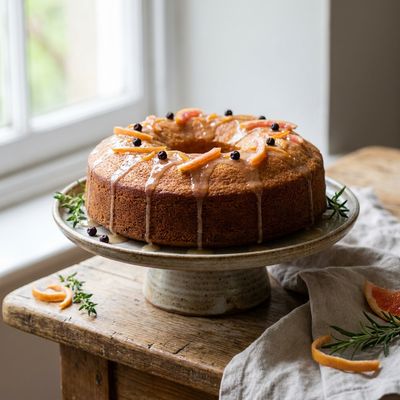
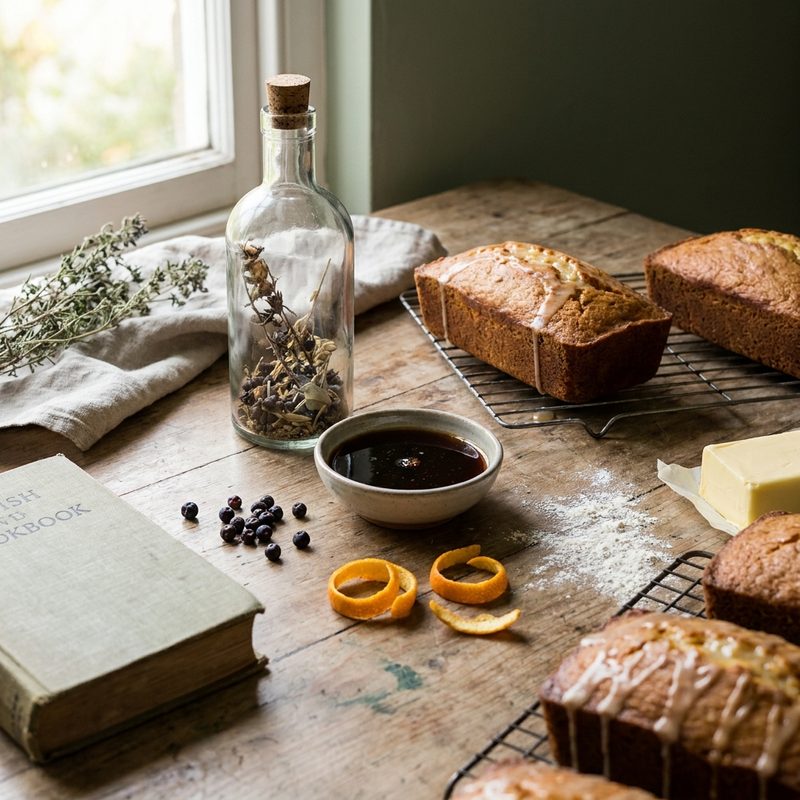
Unlike a syrup that disappears into the cake, a drizzle is meant to sit on top, creating a sweet, crackly crust. It is typically made by whisking gin directly into powdered sugar until a thick, pourable consistency is reached. The high sugar-to-liquid ratio traps the gin aromatics. This method is best suited for loaf cakes and traybakes. Pour the drizzle over the cake while it is still slightly warm to allow a small amount to seep in, while the rest sets into a firm, boozy glaze.
Technique 3: The Deep Gin Soak
The soak is the most intense method, often involving brushing neat gin or a very high-concentration gin wash directly onto the cake. This is not for the faint of heart and is used primarily for preservation and punch. Because raw gin can be astringent, it is usually reserved for dense, fruit-heavy bakes or rich Bundt cakes that can stand up to the alcohol content. Use a skewer to poke holes deep into the cake, then slowly spoon the gin over the top, allowing it to saturate the core of the bake.
Choosing the Right Method for Your Cake
Matching the technique to the cake texture is vital for success. Light, airy sponges like Chiffon or Genoise require a thin Syrup to avoid collapsing the structure. Sturdier loaves, such as a Gin and Tonic Loaf, thrive with a Drizzle that provides texture and localized flavor. Finally, heavy cakes like fruitcakes or dense olive oil cakes are the best candidates for a Soak, as their high fat or sugar content balances the intensity of the straight spirit.