Does Alcohol Bake Off? The Science of Baking with Gin
It is a common culinary myth that alcohol evaporates entirely when exposed to heat. This guide breaks down the science of gin retention in baked goods, explaining why your boozy treats might be more potent than you think.
The Great Evaporation Myth
Many bakers believe that once a cake hits the oven, the alcohol from a splash of gin simply vanishes. Scientifically, this is incorrect. While alcohol has a lower boiling point than water (78.3°C vs 100°C), it bonds with the moisture in the batter. Research from the USDA suggests that even after 30 minutes of baking, approximately 35% of the original alcohol remains. After an hour, that figure only drops to 25%. If you are adding gin to a sponge, it is safer to assume a significant portion of the ABV is still present.
Why Icings and Glazes Are Different
The retention of alcohol varies wildly between the sponge and the topping. Because gin-infused buttercreams, glazes, or 'drizzles' are often applied after the cake has cooled—or are never heated to the boiling point—they retain nearly 100% of their alcohol content. This makes the icing the primary source of potency in a gin-based dessert. If you are serving a 'Gin and Tonic' cupcake where gin is added directly to the frosting, it is functionally a low-alcohol cocktail in solid form.
Factors Affecting Alcohol Loss
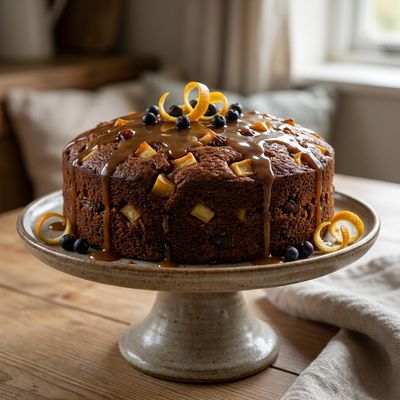
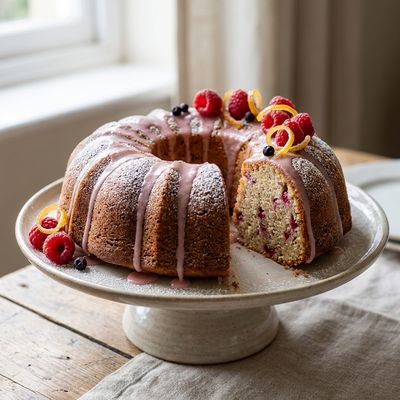
To manage the alcohol levels in your bake, consider these three variables: Surface area, time, and heat. A thin sheet cake (high surface area) will lose more alcohol than a deep Bundt cake. Similarly, a slow-baked fruitcake will retain less gin than a quick-bake muffin. Finally, the 'proof' of your gin matters; a Navy Strength gin (57% ABV) will naturally leave behind a higher concentration of alcohol than a standard 40% ABV gin.
How to Bake Responsibly with Gin
If you want the botanical flavor of gin without the high alcohol retention, follow these steps: First, create a gin reduction by simmering the spirit on the stovetop for several minutes before adding it to your batter. Second, use 'gin-macerated' fruits (like gin-soaked raisins) which release flavor but lose more alcohol during the bake than liquid gin. Third, always clearly label your bakes as containing alcohol, as they are not suitable for children, pregnant individuals, or those in recovery.